
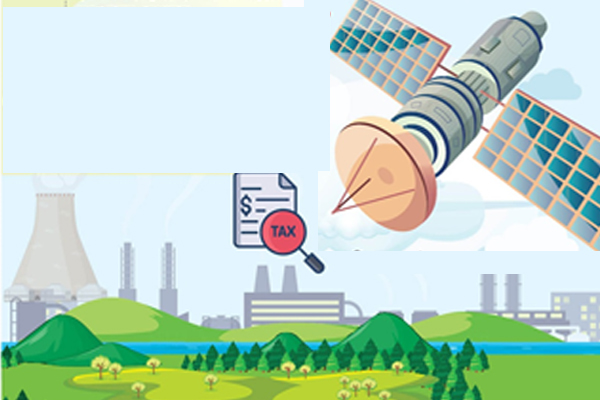
An invisible layer of high-concentration methane gas is drifting across the skies of Bangladesh, clearly detected through satellite observations. According to recent data from international research organizations, the country has now emerged as one of the world’s major methane emission “hotspots,” posing significant risks to the environment, public health, and the economy.

Data from the U.S. space agency NASA and the European Space Agency (ESA) indicate that atmospheric methane concentrations have reached a historic high, exceeding 1,941 parts per billion (ppb). Experts note that methane can trap heat up to 80 times more effectively than carbon dioxide, making it a major driver of global warming.
Analysis shows that the primary sources of methane emissions in Bangladesh include poor waste management, leaking gas pipelines, and traditional agricultural practices. Large landfills in Matuail and Aminbazar in Dhaka, as well as in Chattogram, are releasing substantial amounts of methane during decomposition. Additionally, aging and faulty gas pipelines are allowing significant volumes of gas to escape into the atmosphere.
Methane is also produced from anaerobic bacteria in waterlogged rice fields, where fields remain flooded for extended periods. Livestock waste and riverbank erosion further contribute to emissions, as organic materials buried underwater decompose and release methane gas.
Environmental experts warn that although methane is not directly toxic, it contributes to the formation of ground-level ozone, which is highly harmful to human health. This can lead to increased cases of asthma, bronchitis, and other chronic respiratory diseases, along with long-term lung damage and a higher risk of premature death.
At the same time, rising methane levels are intensifying the “urban heat island” effect in cities like Dhaka and Chattogram. Studies show that temperatures in certain areas are 3 to 5 degrees Celsius higher than normal.
The agricultural sector is also under threat. Research indicates that methane-induced ozone pollution could reduce yields of rice and wheat by 5 to 15 percent, posing a serious risk to national food security.
Meanwhile, gas pipeline leaks are causing massive energy losses. Experts say the amount of gas wasted could meet the country’s electricity demand for several months.
There are also concerns about international trade. The European Union and the United States are moving toward imposing carbon border adjustment mechanisms or methane-related taxes on imported goods. If implemented, this could weaken the competitiveness of Bangladesh’s export sectors, particularly the ready-made garment (RMG) industry.
Experts emphasize that timely and effective measures can help control the situation. These include capturing methane from landfills for power generation, improving sanitary waste management systems, using advanced technologies to detect gas pipeline leaks, and adopting improved rice cultivation methods.
They warn that methane emissions are no longer just an environmental issue but a major economic and public health challenge. Without prompt action, the consequences could become far more severe in the future.