


Participants from 24 countries have submitted proposals for the Cultural Partnership Programme that will be implemented during the International Festival of Youth (IFY) 2026 in Ekaterinburg, aiming to strengthen cultural exchange and friendship among young people from around the world.

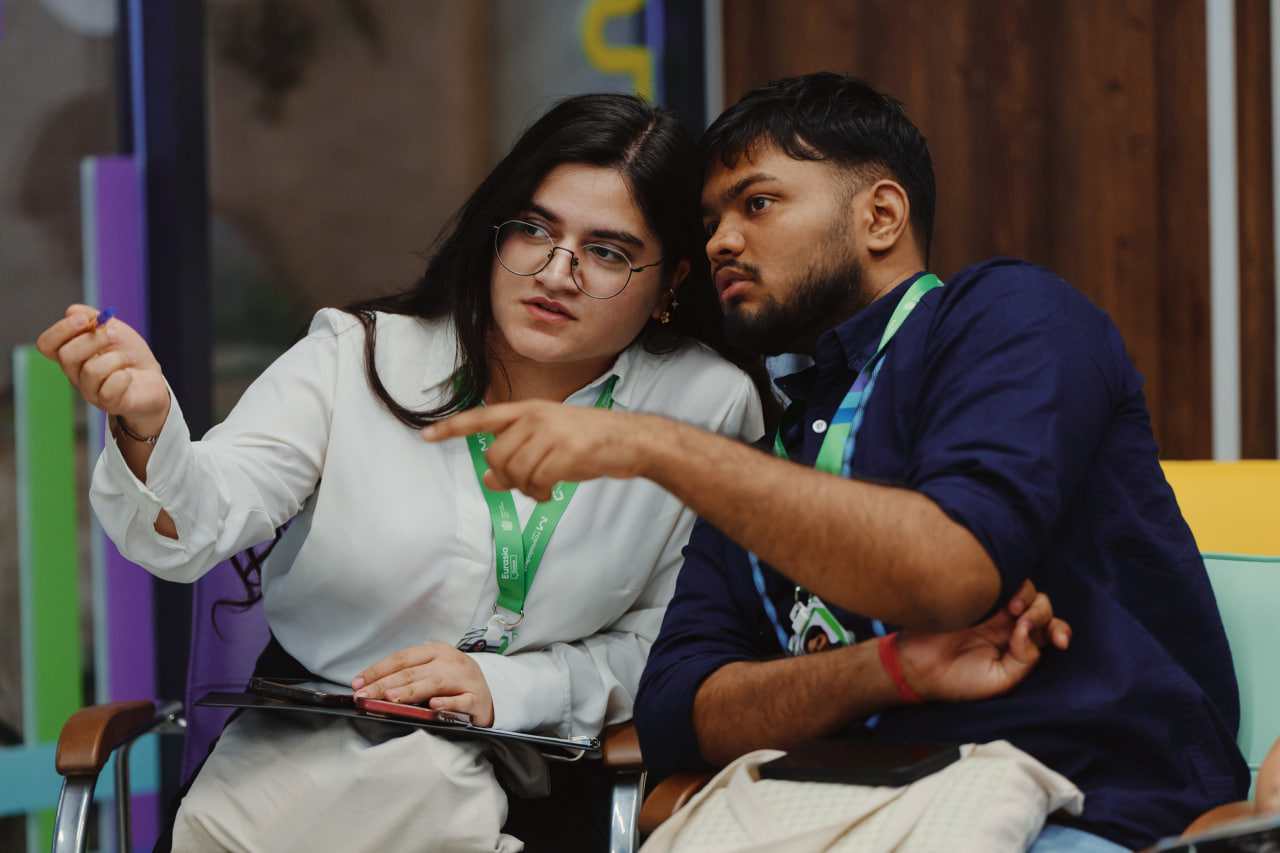
The proposals were developed during the “Eurasia Global” International Youth Forum, where delegates discussed innovative ways to enhance the Cultural Partnership Programme. As part of the programme, representatives from Russian regions will organize activities introducing international participants to Russia’s traditions, culture, history, and contemporary life under the national project “Youth and Children.”
In a creative workshop, participants deliberately explored ineffective approaches to cultural partnership before refining them into practical and engaging ideas. The exercise was designed to identify potential shortcomings and develop activities that would provide foreign delegates with meaningful and memorable experiences while showcasing Russia’s regional diversity.
Dmitry Ivanov, Director General of the World Youth Festival Directorate, said the programme plays an important role in building lasting friendships between Russian and international youth.
He recalled the success of the Cultural Partnership Programme during the World Youth Festival in Sirius in 2024, where participants from Russian regions organized numerous cultural events for foreign guests. Ivanov highlighted several memorable moments, including a concert organized by the Tula Region delegation for children from Algeria, tree planting on the International Friendship Alley involving participants from several countries, and a cultural flash mob performed by youth from the Ulyanovsk and Nizhny Novgorod regions for the Brazilian delegation. He expressed confidence that a similarly welcoming atmosphere would be created during the 2026 festival in Ekaterinburg.
Regional representatives presented a variety of cultural initiatives. Delegates from the Orenburg Region proposed welcoming international visitors at airports and railway stations with the region’s traditional bread and introducing them to the internationally renowned Orenburg downy shawl. They also plan to display a lacework Russian tricolour flag measuring more than nine metres in length, a creation officially recognized in the Book of Russian Records.
Representatives from the Kirov Region proposed introducing participants to the traditional Dymkovo toy, allowing foreign guests to paint their own souvenirs. Meanwhile, youth from the Republic of Mari El suggested offering visitors hands-on lessons in playing the traditional Mari gusli, providing an interactive introduction to local musical heritage.
International delegates also contributed several ideas. One proposal involves connecting foreign participants with families of members of Ekaterinburg’s International Friendship Club through evening walks and informal gatherings. Organizers believe such interactions would help guests experience local traditions, learn about family life, and explore landmarks across Ekaterinburg and the Sverdlovsk Region in a more personal setting.
The participants further proposed extending the Cultural Partnership Programme beyond the festival by organizing regular online exchanges. Youth organizations from partner countries would host virtual city tours, introduce their local traditions, music, and youth initiatives, and share experiences in youth policy, creating a continuing platform for international cooperation.
Alexey Chenskikh, Head of the Forum Campaign and Volunteerism Development Department at the Sakhalin Youth Resource Centre, said preparations for the programme should begin well in advance to ensure engaging cultural activities that reflect the rich history, modern development, and diversity of Russia.
Organizers said the full schedule of events under the Cultural Partnership Programme will be announced shortly before the International Festival of Youth 2026 in Ekaterinburg.