


Household waste from all 31 wards of Khulna City Corporation will soon be turned into valuable resources, including organic fertiliser, fuel oil, biogas and electricity, instead of remaining an environmental burden.

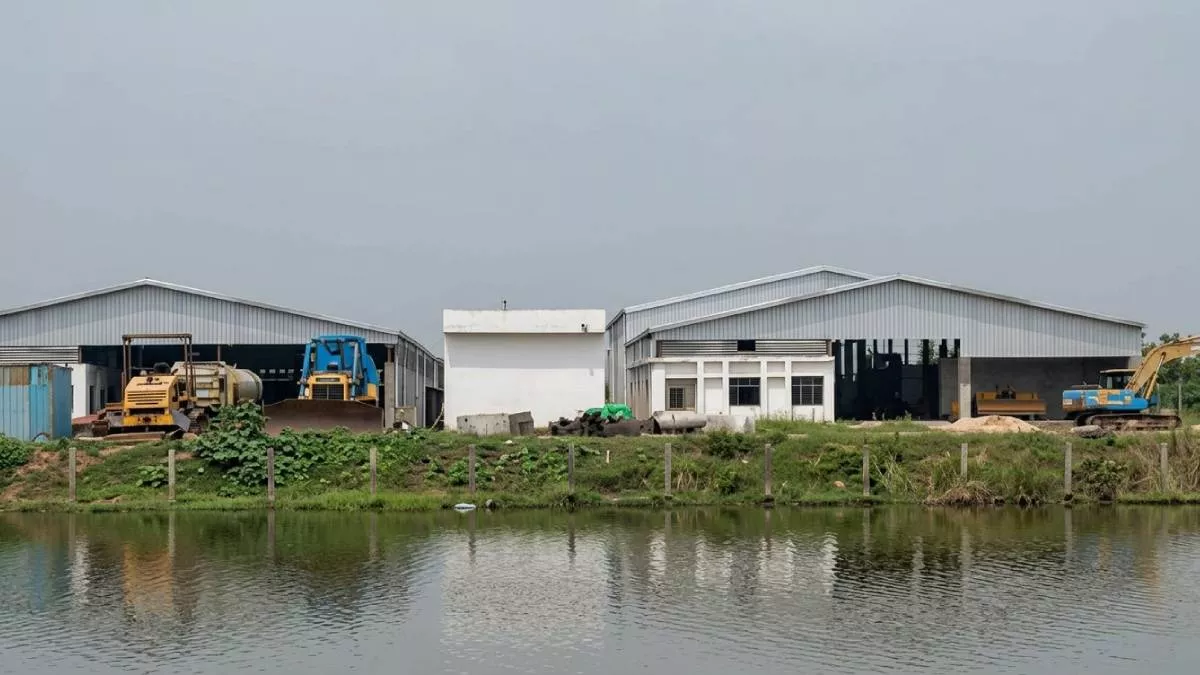
A first-of-its-kind integrated waste processing facility in Bangladesh has been built at Sholua landfill in Dumuria upazila of Khulna at a cost of Tk 527 million. Following trial operations, the facility is now preparing to begin full-scale production, with officials aiming to make it fully operational by December this year.
The Integrated Landfill and Resource Recovery Facility was implemented by Khulna City Corporation (KCC) and the Local Government Engineering Department (LGED) with financial support from the Asian Development Bank (ADB).
The project has been built on 17 acres of land and is being overseen by KCC.
Project officials said different technologies will be used to process different types of waste and produce marketable products.
Plastic waste will be converted into fuel oil using pyrolysis technology. Under the process, plastic waste will be heated at a specific temperature to produce vapour, which will then be cooled to collect liquid fuel.
Through further processing, the fuel could potentially be converted into petrol, octane and diesel-type products, officials said.
Project engineer Mezbauddin said biodegradable household waste would be used to produce organic fertiliser, while waste from kitchen markets would be processed to generate biogas. The biogas would then be used to generate electricity.
The initiative is expected to reduce the pressure of waste on the city while creating usable products and energy from waste.
According to project sources, the facility is expected to produce around 20 tonnes of organic fertiliser, 4,800 litres of fuel oil and 450 kilowatts of electricity every day once full-scale production begins.
The electricity and fuel produced at the facility will initially be used for the plant’s own operations. Any surplus electricity is planned to be supplied to the national grid, while excess fuel will be sold in the market.
KCC sources said Khulna city generates around 1,200 tonnes of household and other waste every day, of which the city corporation collects approximately 800 tonnes.
Until now, a large portion of the collected waste has been dumped at the Rajbandh dumping ground. Once the Sholua facility becomes operational, KCC expects it to handle around 30 percent of the city’s waste.
Officials hope the facility will reduce pressure on existing dumping grounds and create opportunities to recover and reuse recyclable materials from municipal waste.
KCC Administrator Nazrul Islam Manju said waste was no longer merely a problem but had become a potential commercial sector.
“Waste is no longer a crisis; it has now become a commercial sector. Once the Sholua plant becomes operational in December, it will open a new chapter in waste management in Khulna,” he said.
He said the authorities were also considering whether the facility should be handed over to a private operator for management.
“Whether a private company will be able to operate the plant properly is also being considered,” he said, adding that officials had been instructed to hold further meetings to explore alternative arrangements if private management proved ineffective.