


Nearly half of the world’s children are now exposed to at least three overlapping climate-related hazards, placing their health, education and future at serious risk, according to UNICEF’s latest Children’s Climate Risk Report 2026.

The report reveals that around 1.1 billion children worldwide are living under the combined threat of multiple climate hazards, including extreme heat, droughts, floods, wildfires and tropical storms. UNICEF warned that climate change is increasingly disrupting children’s lives and placing unprecedented pressure on communities and essential public services.
“The lives of children continue to be upended by the impact of heatwaves, wildfires, droughts and floods,” said UNICEF Executive Director Catherine Russell. “Half of the world’s children are now living with at least three overlapping climate threats shaping their daily lives.”
According to the report, almost every child globally is exposed to at least one climate hazard, while more than four million children face as many as six overlapping threats simultaneously. Using the latest available data, UNICEF mapped children’s exposure to eight major climate hazards, including coastal and river floods, droughts, extreme heat, heatwaves, wildfires, tropical storms and sand and dust storms.
The findings show that more than 296 million children are living in areas affected by a combination of drought, extreme heat and heatwaves—the most common cluster of climate threats. Another 115 million children are exposed to the combined impacts of drought, extreme heat and tropical storms.
Beyond these hazards, the report also examined climate-sensitive risks such as air pollution and malaria. It found that air pollution affects nearly every child worldwide, while approximately one billion children live in areas where malaria poses an additional threat, further increasing their vulnerability.
UNICEF warned that without urgent action to reduce greenhouse gas emissions, climate hazards will become more frequent and severe, placing additional strain on public infrastructure, healthcare systems and government resources.
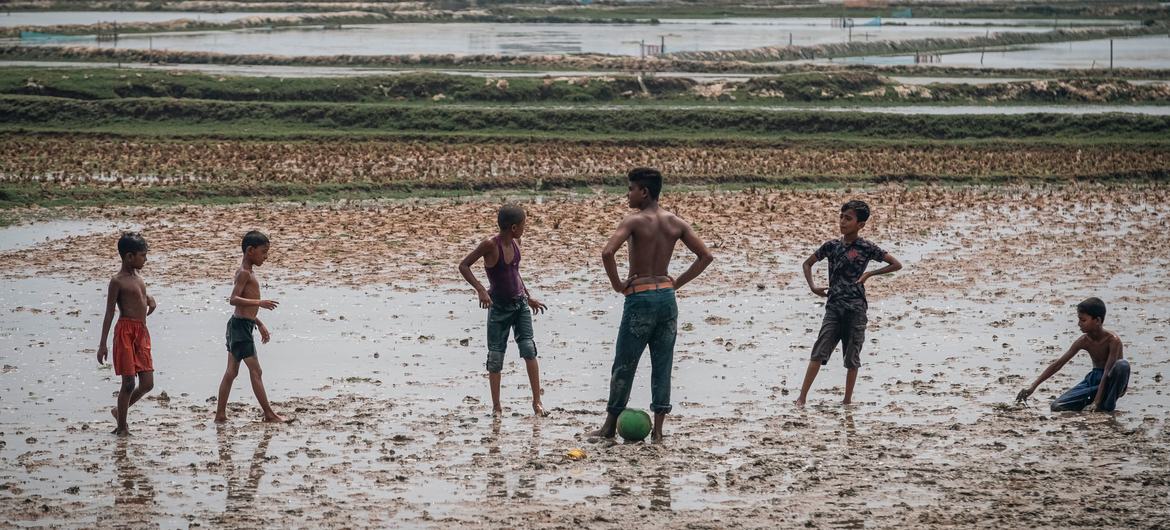
The report identifies Africa’s Sahel region as one of the hardest-hit areas, where more than four million children face the triple threat of heatwaves, extreme heat and sand and dust storms. However, children in Asia—including those in Bangladesh, Myanmar and Pakistan—are exposed to a greater number of climate hazards and at higher intensity levels than children in any other region of the world.
The report also noted that climate risks are not limited to developing countries. In Italy, for example, more than six million children are exposed to prolonged heatwaves and droughts. However, the country demonstrates how investments in climate adaptation and resilient infrastructure can help reduce risks and protect vulnerable populations.
Calling for urgent global action, UNICEF urged governments, businesses and development partners to strengthen efforts to reduce greenhouse gas emissions, invest in climate-resilient public services and ensure children are included in climate adaptation planning.
The agency also emphasized the importance of empowering children and young people through climate education, knowledge and skills development, enabling them to participate meaningfully in decisions that affect their future.
“This analysis can help governments and decision makers plan better and invest more effectively in resilient services,” Russell said. “When we strengthen health and education systems and improve infrastructure with children in mind, we protect them from today’s climate threats and help secure their future.”
The report serves as a stark reminder that children remain among the most vulnerable victims of the climate crisis, underscoring the need for immediate and coordinated global action to safeguard future generations.