
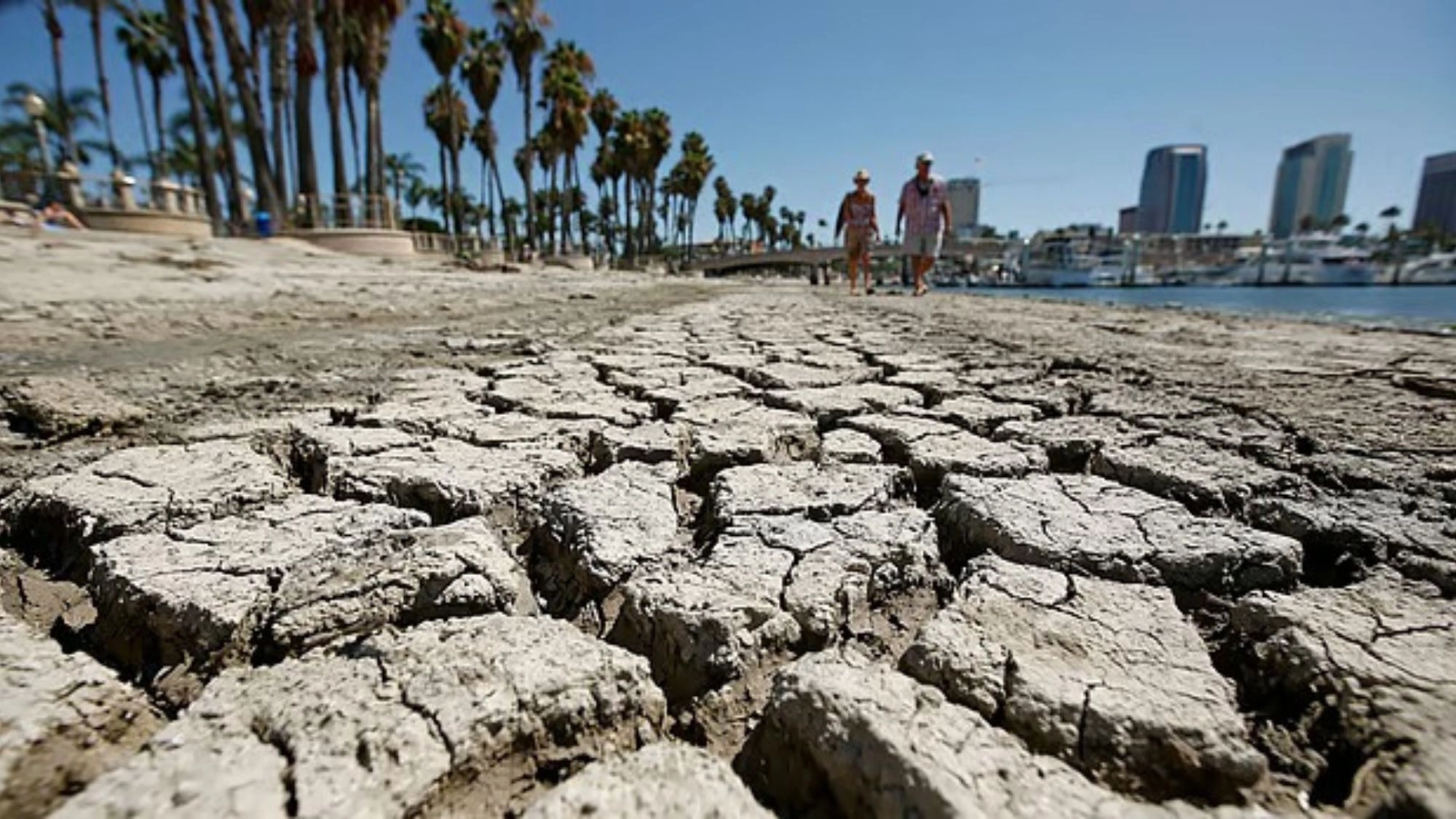


A growing El Niño in the Pacific Ocean is raising fresh concerns among climate scientists and weather agencies worldwide. Experts warn that the phenomenon could intensify into a “Super El Niño” during the second half of the year, potentially triggering severe droughts, extreme heatwaves, sudden floods, disruptions to food production, and water shortages across many parts of the globe.

According to climate experts, the world is already experiencing unprecedented temperatures due to global warming. A strong El Niño occurring alongside human-induced climate change could further amplify extreme weather events, making them more frequent and severe. Researchers fear that if the trend continues, the coming years could rank among the hottest periods ever recorded.
El Niño is a naturally occurring climate pattern that typically develops every two to seven years. Under normal conditions, trade winds push warm surface waters westward across the Pacific Ocean. However, when these winds weaken, warm water accumulates in the central and eastern Pacific, causing sea surface temperatures to rise significantly and disrupting weather patterns around the world.
Meteorologists report that sea surface temperatures in several regions of the Pacific are rising rapidly. International forecasting models suggest that El Niño could strengthen considerably in the coming months, with some projections indicating it may become one of the strongest events seen in recent decades.
Experts say the impacts of El Niño vary by region but generally lead to major shifts in global weather patterns. Large areas of Africa, Asia, Central America, and Australia may experience reduced rainfall and prolonged droughts. In contrast, other regions could face excessive rainfall, flooding, landslides, and widespread crop damage. Extended heatwaves and dry conditions are also expected to increase the risk of wildfires in many parts of the world.
Food security is another major concern. Because agriculture depends heavily on weather conditions, droughts, floods, and extreme temperatures could significantly reduce the production of rice, wheat, maize, fruits, and other crops in key agricultural regions. Such disruptions could affect global food supplies and contribute to rising food prices.
In response to the growing threat, the United Nations and international organizations have begun strengthening preparedness efforts. These initiatives include supporting vulnerable countries through food security programs, water conservation projects, climate-resilient agriculture, and disaster preparedness measures. Plans are also underway to provide drought- and flood-resistant seeds, early warning systems, and financial assistance to affected communities.
Climate experts in Bangladesh are also closely monitoring the situation. They believe El Niño could lead to below-average rainfall in some parts of the country while increasing temperatures beyond seasonal norms. As a result, the frequency and intensity of heatwaves may rise, and agricultural production could face additional challenges if monsoon patterns are disrupted.
However, experts caution against assuming that El Niño will automatically bring severe drought to Bangladesh. Instead, they emphasize the need to monitor a range of potential risks, including heatwaves, reduced rainfall, sudden heavy downpours, changes in river flows, and increased salinity in coastal regions.
Scientists note that one advantage of El Niño is that it develops gradually and can often be forecast months in advance. This provides governments, local authorities, and disaster management agencies with valuable time to prepare. Measures such as water conservation, agricultural planning, food stockpiling, strengthened healthcare services, and improved disaster response systems could help reduce the impact of any future climate-related shocks.